Garden beds, downpipes and damp ground: the pest risks around a Ballarat home
Soil heaped against brickwork, ground falling toward the house and trees touching the roof all feature in our Ballarat area building and pest reports.




In short: The space within a metre of the walls decides much of a home's timber pest risk. Here is what we look at outside before we go inside.
Start at the walls
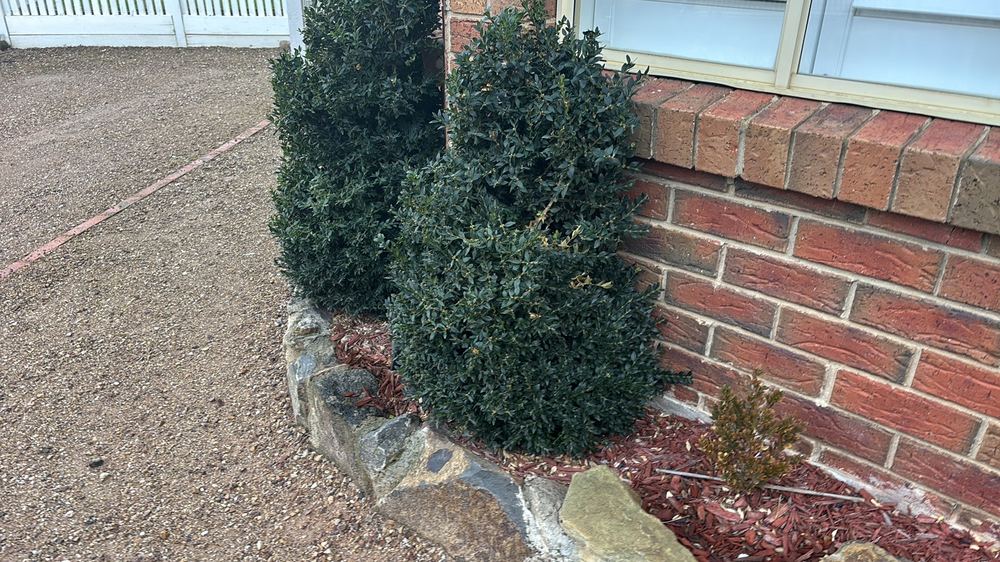
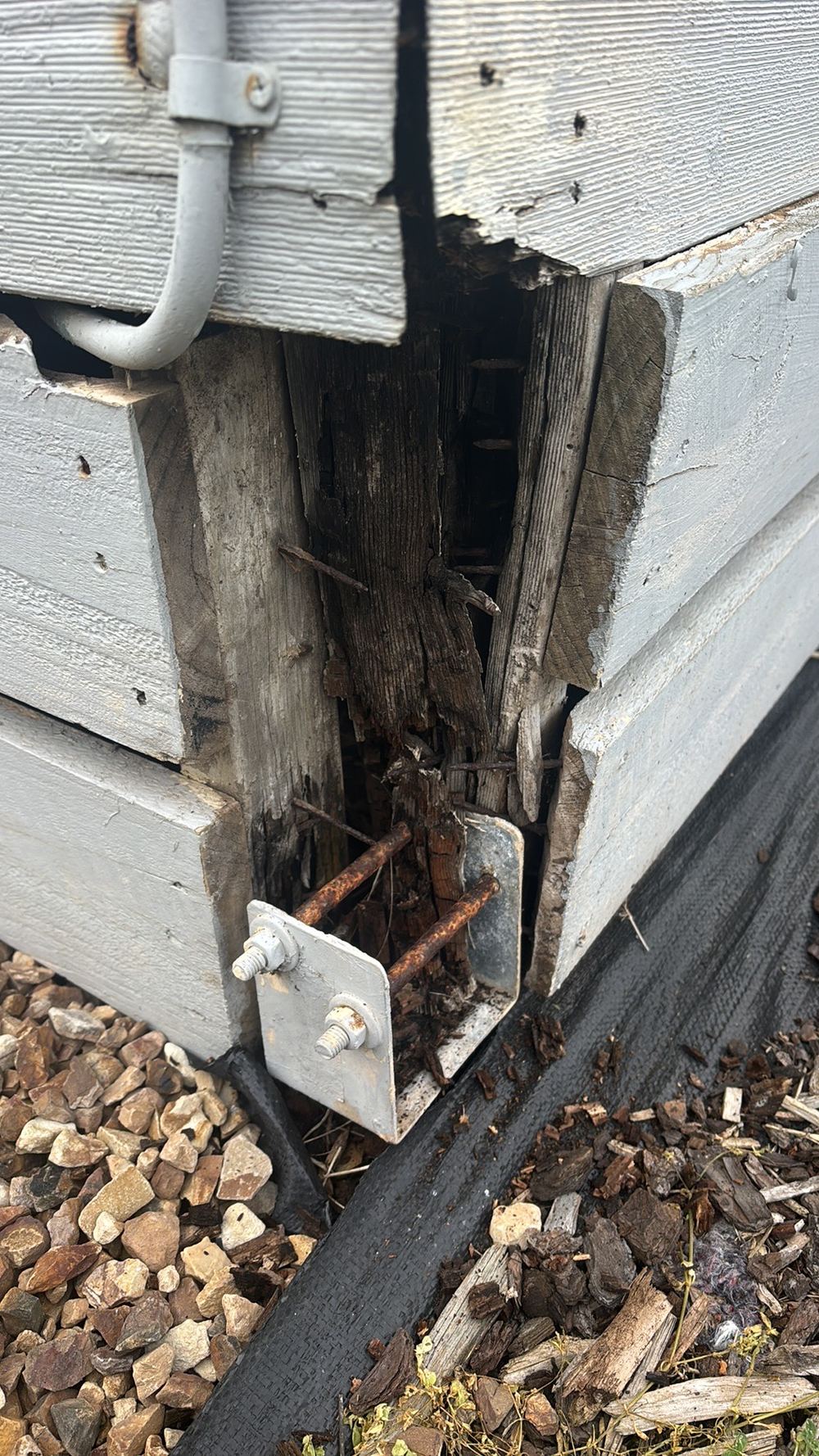
On every building and pest visit we walk the perimeter first. Ground or paving that falls back to the house, soil above the weep holes or damp course and garden beds built against the brick hide the edge of the slab or subfloor where termites would otherwise be seen.
Water that will not leave
Downpipes that discharge onto the ground, broken stormwater lines and taps that drip keep soil wet all year. Under a raised floor, that shows as damp ground and musty air. Both make timber softer and more attractive to pests.
Trees and branches
Branches resting on the roof drop leaves into gutters and give insects and possums a bridge. Roots close to footings add moisture and can move the ground. We note trees close enough to matter and leave the arborist question to an arborist.
Gaps in the building skin
Unsealed gaps around windows, doors and pipes let insects into the wall cavity. They also let in cold air, which a Ballarat owner notices in July.
Simple fixes first
Lower the soil, clear the weep holes, connect the downpipes and pull the mulch back from the walls. These cost little and reduce risk more than most owners expect.
Where the report draws the line
We inspect and report. Treatment, chemical barriers and their certification belong to a licensed pest manager, and the report recommends one when it is needed.
Written by our local inspection team from work carried out in Ballarat. Licensed building practitioners, Building & Plumbing Commission registration CDB-U 53425.