Under the floor of an old Ballarat weatherboard: what a buyer's inspection looks at
Timber stumps, bearers, damp and airflow beneath Victorian and Edwardian Ballarat houses, and how far a visual pre-purchase inspection can go.




In short: Many period homes around central Ballarat stand on timber or concrete stumps with a crawl space below. That space tells a buyer more about the house than any room upstairs.
Why the subfloor comes first
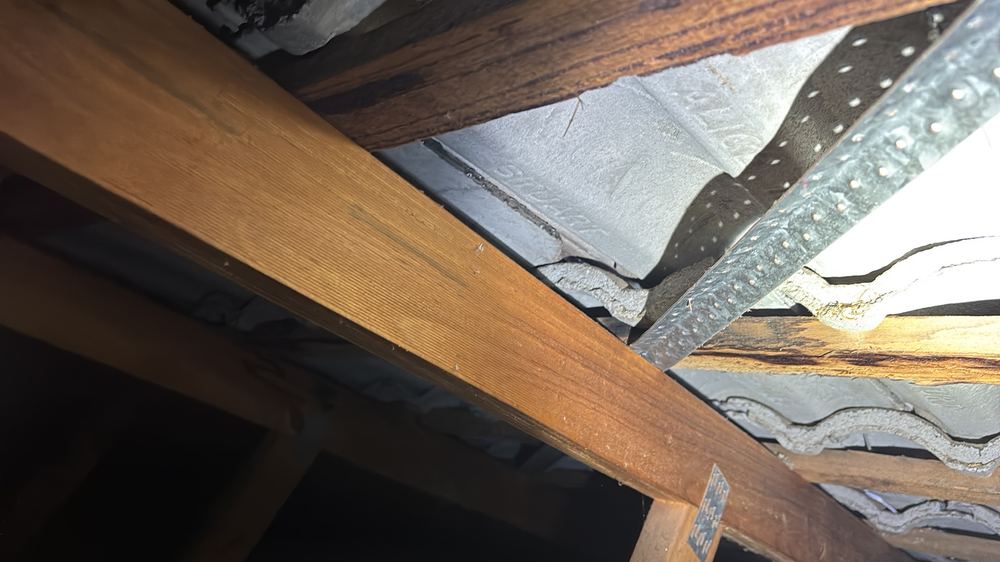
A weatherboard cottage from the gold era or an Edwardian villa from the 1900s usually sits on stumps rather than a slab. Whatever has happened to those stumps over a century shows up later as sloping floors, sticking doors and cracked plaster. Going under the house, where the opening allows, is the single most useful part of a pre-purchase visit on this kind of stock.
Stumps, reblocking and packing
Original red gum stumps were replaced across much of the city during the last century, often with concrete. Some houses carry a mix of old and new, with timber packers stacked on top to bring the floor back to level. We note stumps that lean, have sunk, show decay at ground line or are packed with loose offcuts, and we say plainly when a section could not be reached.
Cold ground and slow drying
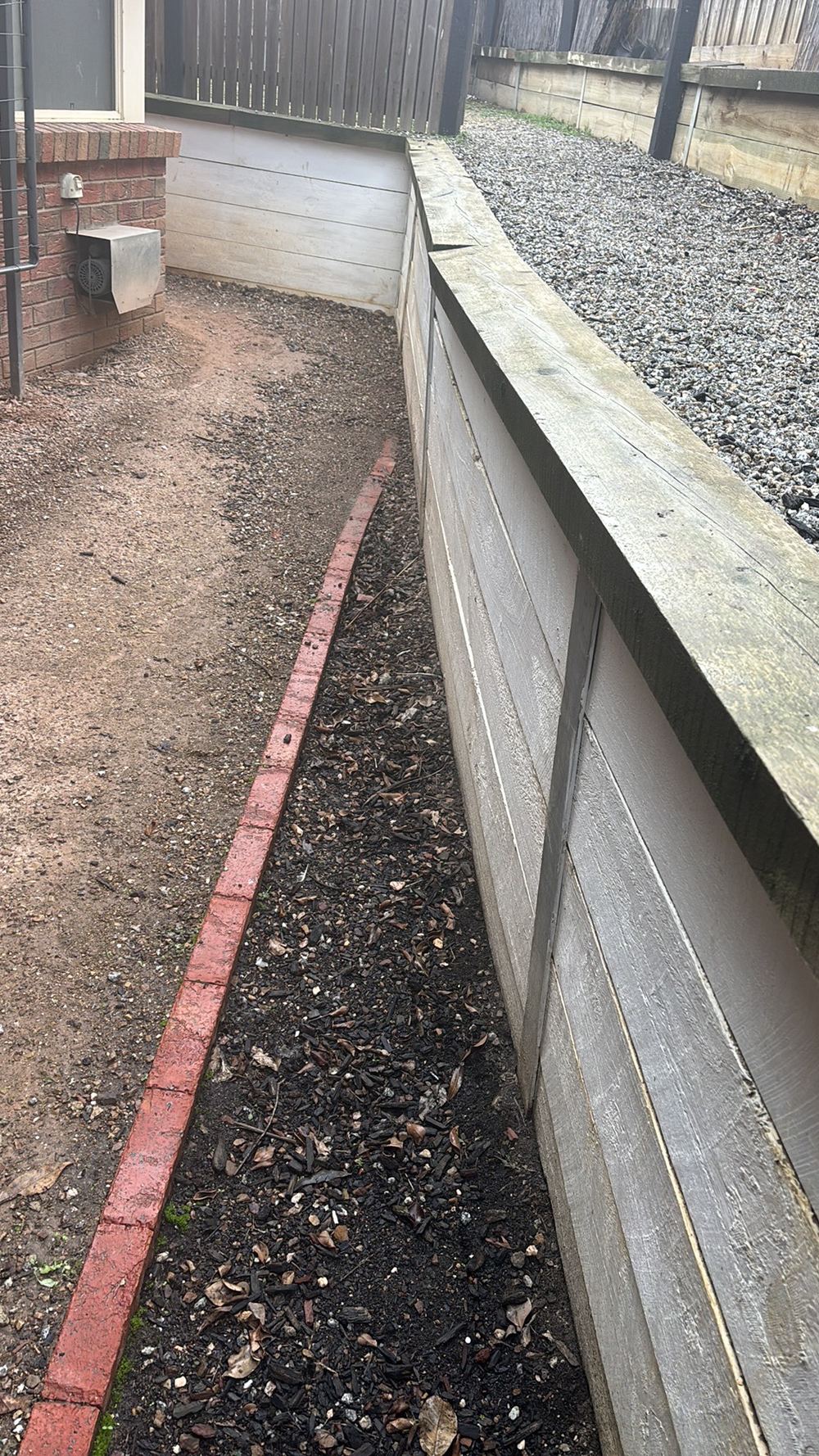
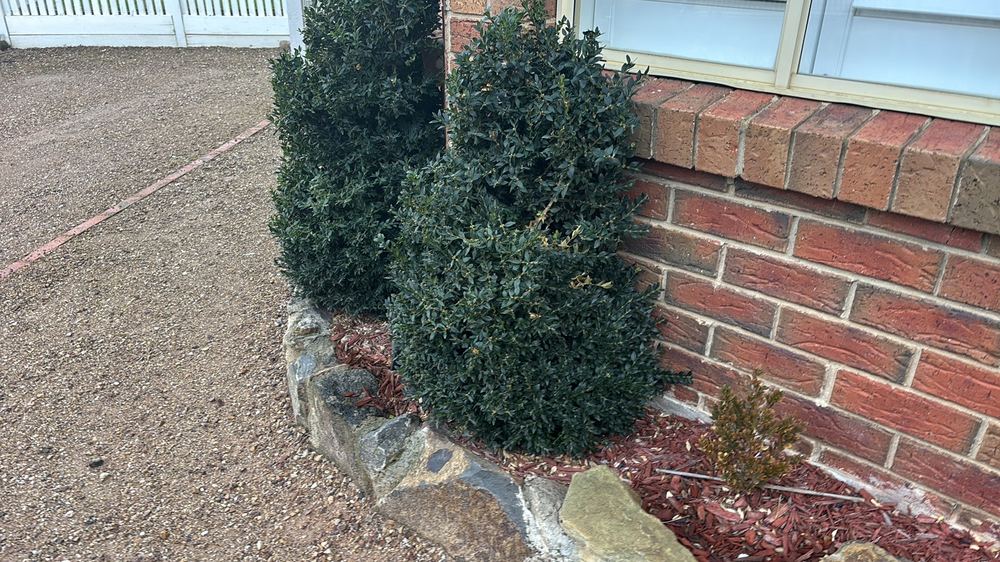
Ballarat sits between 435 and 630 metres above sea level, August is the wettest month and frost is a regular winter event. Subfloors here stay damp for long stretches. Blocked vents, garden beds piled against the base boards and downpipes that empty beside the wall keep the ground under the floor wet, and wet timber is where rot and timber pests begin.
What springy floors can mean
A floor that bounces or squeaks underfoot is a symptom, not a diagnosis. It can point to undersized or decayed joists, a missing stump, loose fixings or boards lifting from the joists. A visual inspection records where it happens and what is visible below; it does not open up the floor to prove the cause.
Limits of a visual inspection
AS 4349.1 covers readily accessible areas. Where the crawl space is too low, blocked by ducting or unsafe, we write that down as a limitation rather than guessing. Footings below ground and timber hidden inside walls sit outside the standard, so the report tells you where further investigation would be worth paying for.
Using what we find
Subfloor items rarely kill a purchase on their own, but they change the conversation. A list of decayed stumps or damp bearers gives you something concrete to take to the vendor or to a restumping contractor for a price before you sign.
Written by our local inspection team from work carried out in Ballarat. Licensed building practitioners, Building & Plumbing Commission registration CDB-U 53425.