



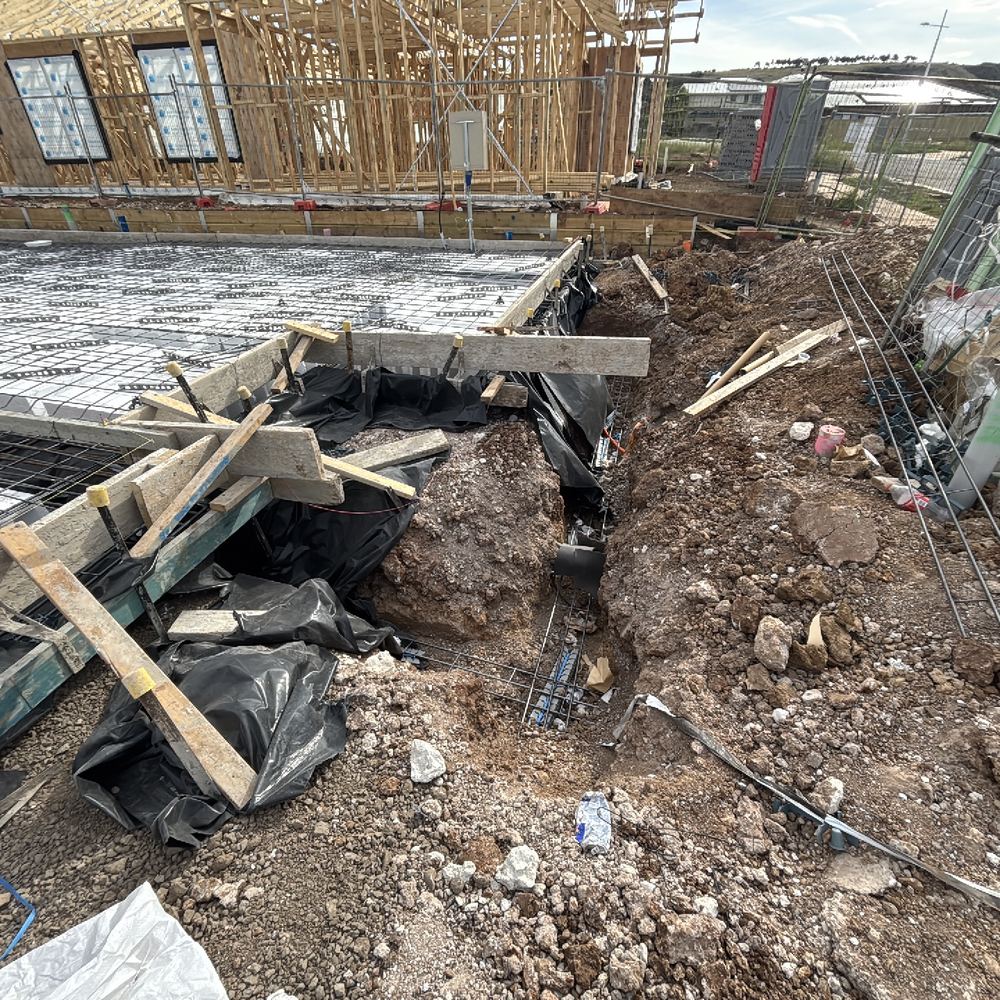
The vapour barrier and steel cover under a new slab
A Maddingley pre-pour inspection found the vapour barrier stopping short of edge beams and steel without enough cover. Why it matters on cold, wet ground.
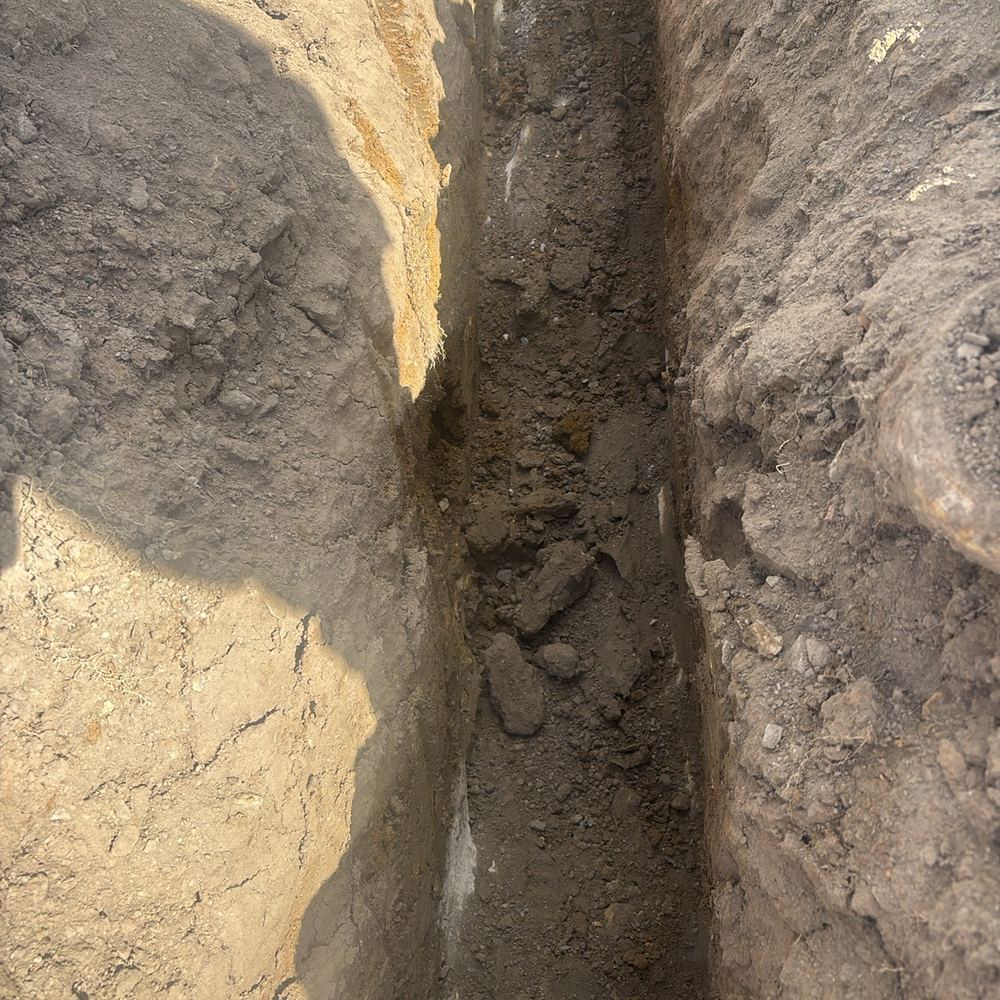
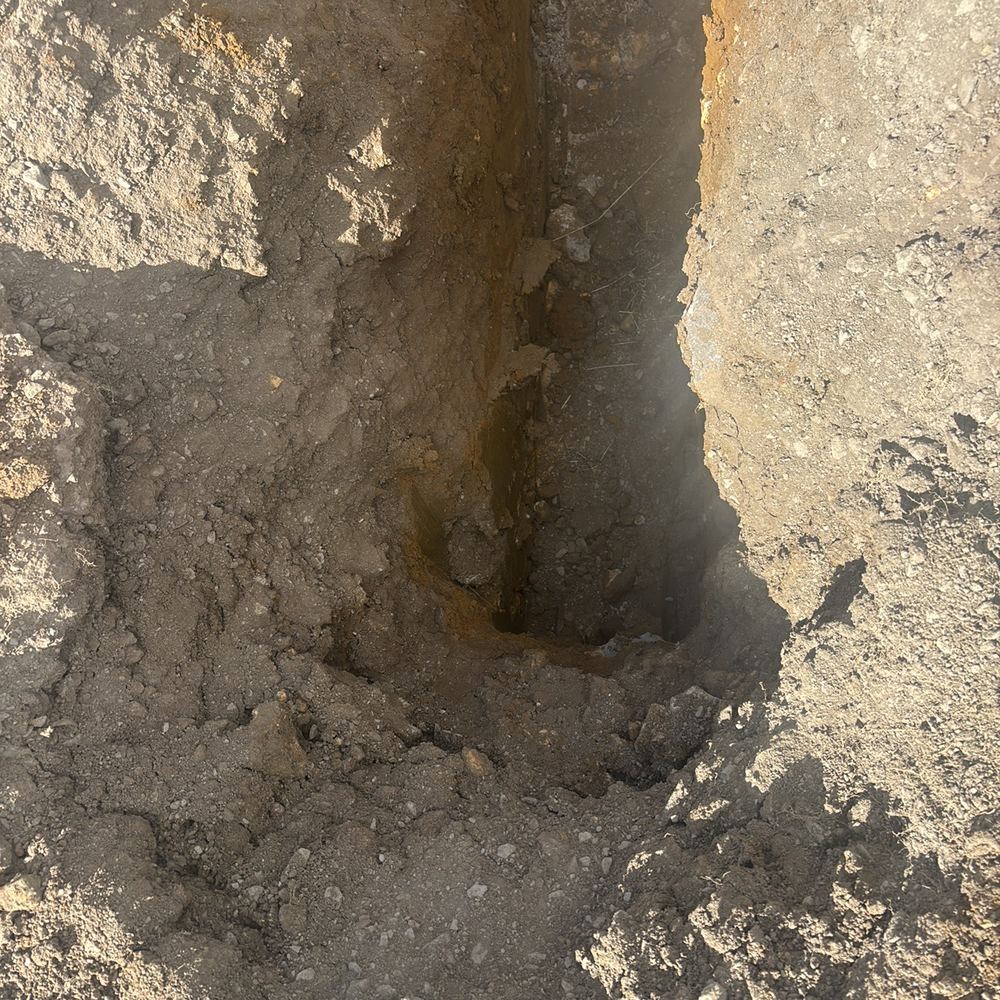
Piers carry a house down to ground that can actually hold it. We look into each open hole before the concrete truck arrives and compare what we see with the engineer's pier schedule.
One of our inspectors will call you back. If it is urgent, call 1300 471 805.
Ground around Ballarat changes quickly over short distances. Estates on the western basalt plateau sit beside old alluvial and mining country closer to the city, and pier depths on two neighbouring lots can differ for that reason. The engineering for your lot, not a rule of thumb, sets what each hole must reach.
Annotated findings from Bored piers inspections.
 2Slab pre-pourSteel, pods and pipes done, formwork braced, pour not yet started
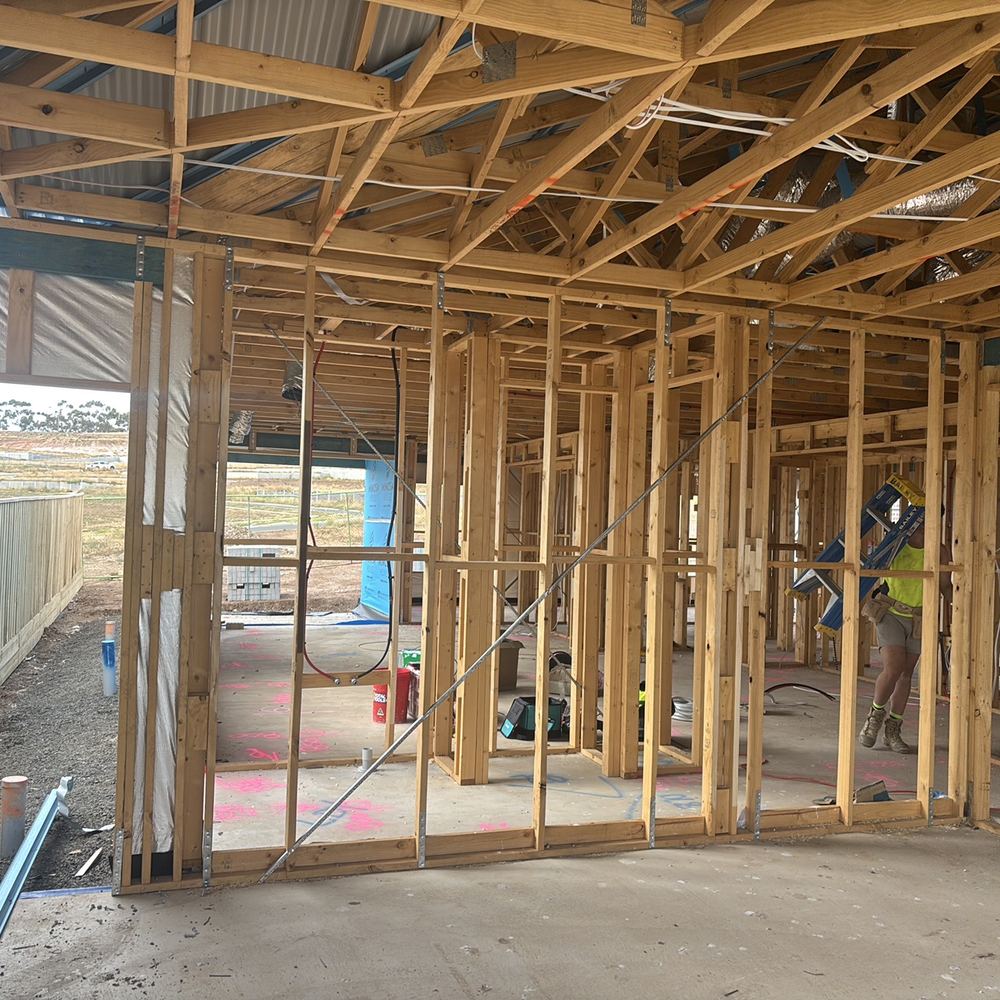
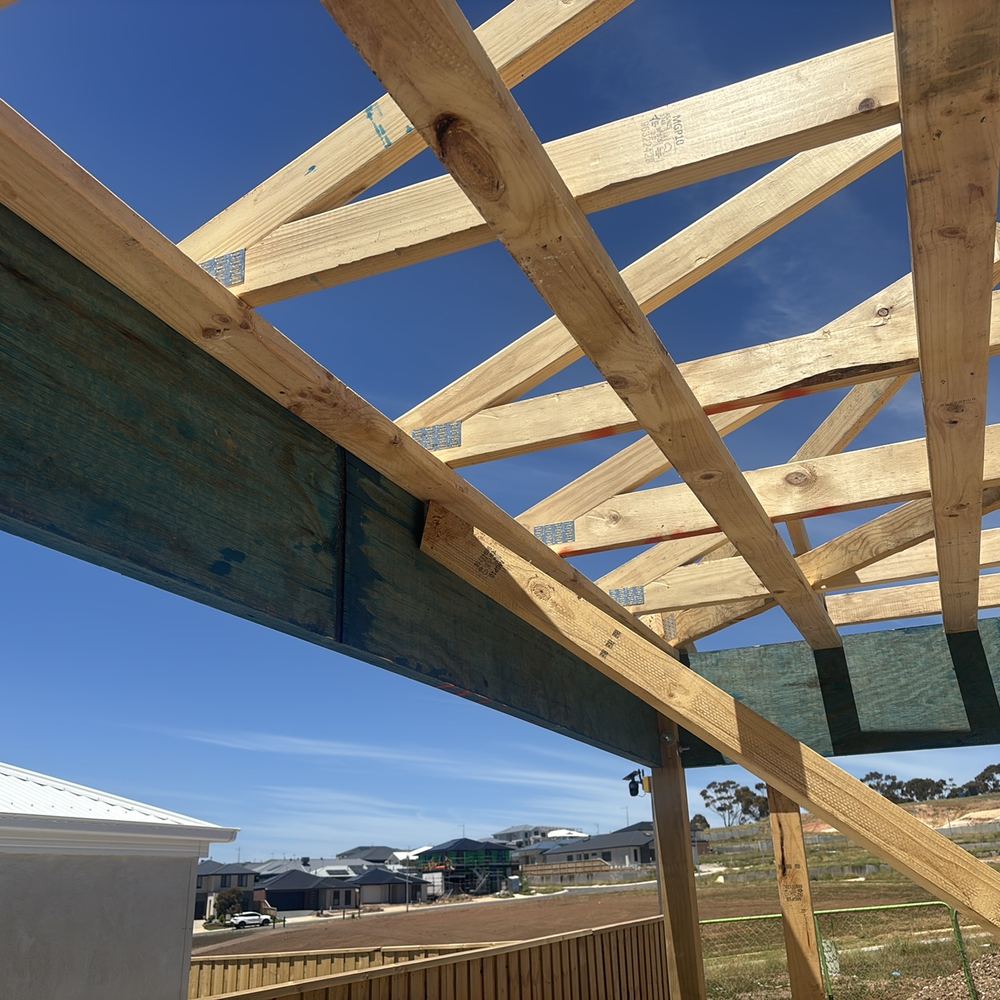 3FrameWalls standing and trusses braced, before wrap or sarking closes it in
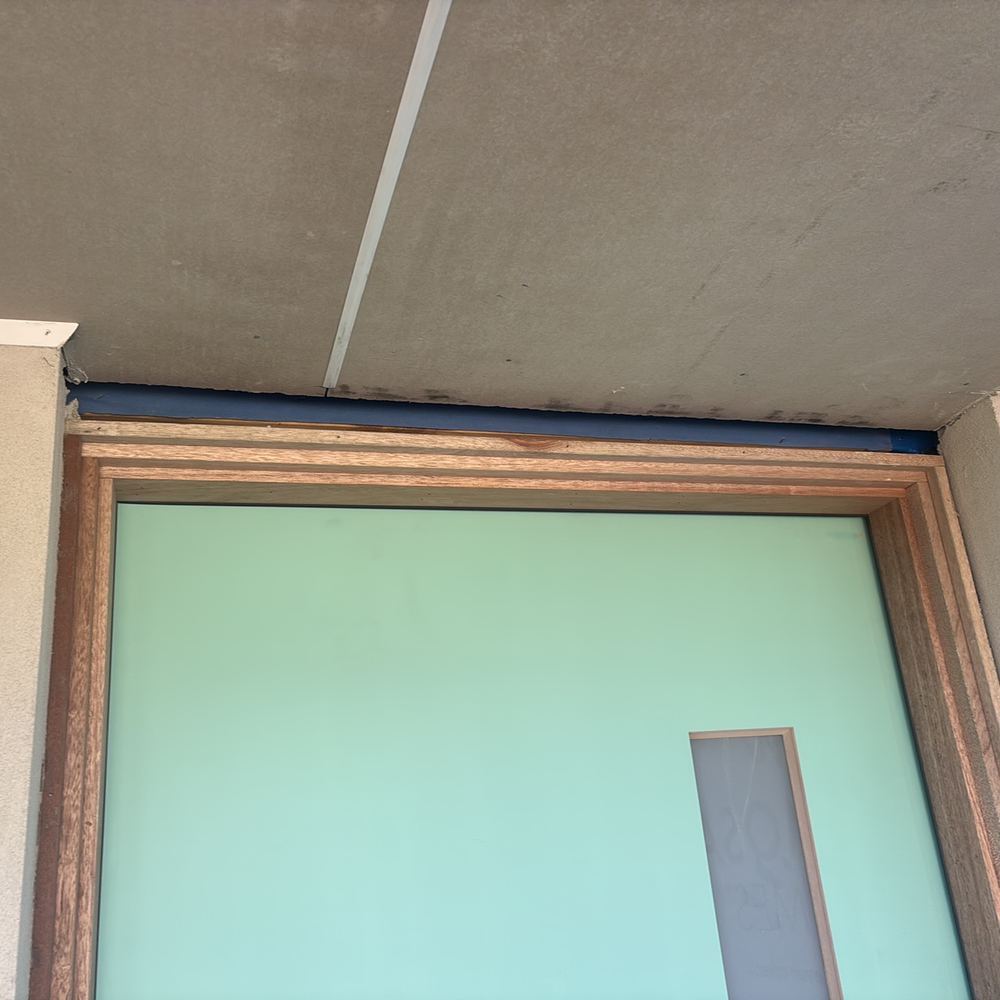
 4Lock-up (pre-plaster)Roof, windows and cladding up, plasterboard not yet delivered
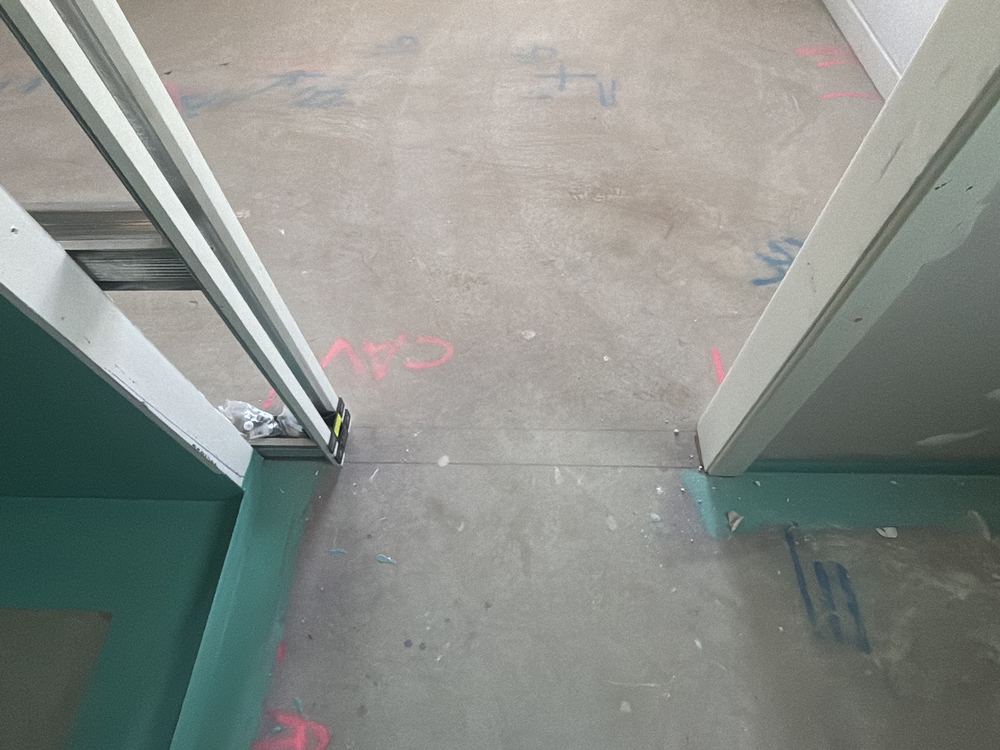
 5FixingLinings, doors, trims and cabinets fitted, painter yet to start
 6WaterproofingMembrane on and cured, no tiles yet
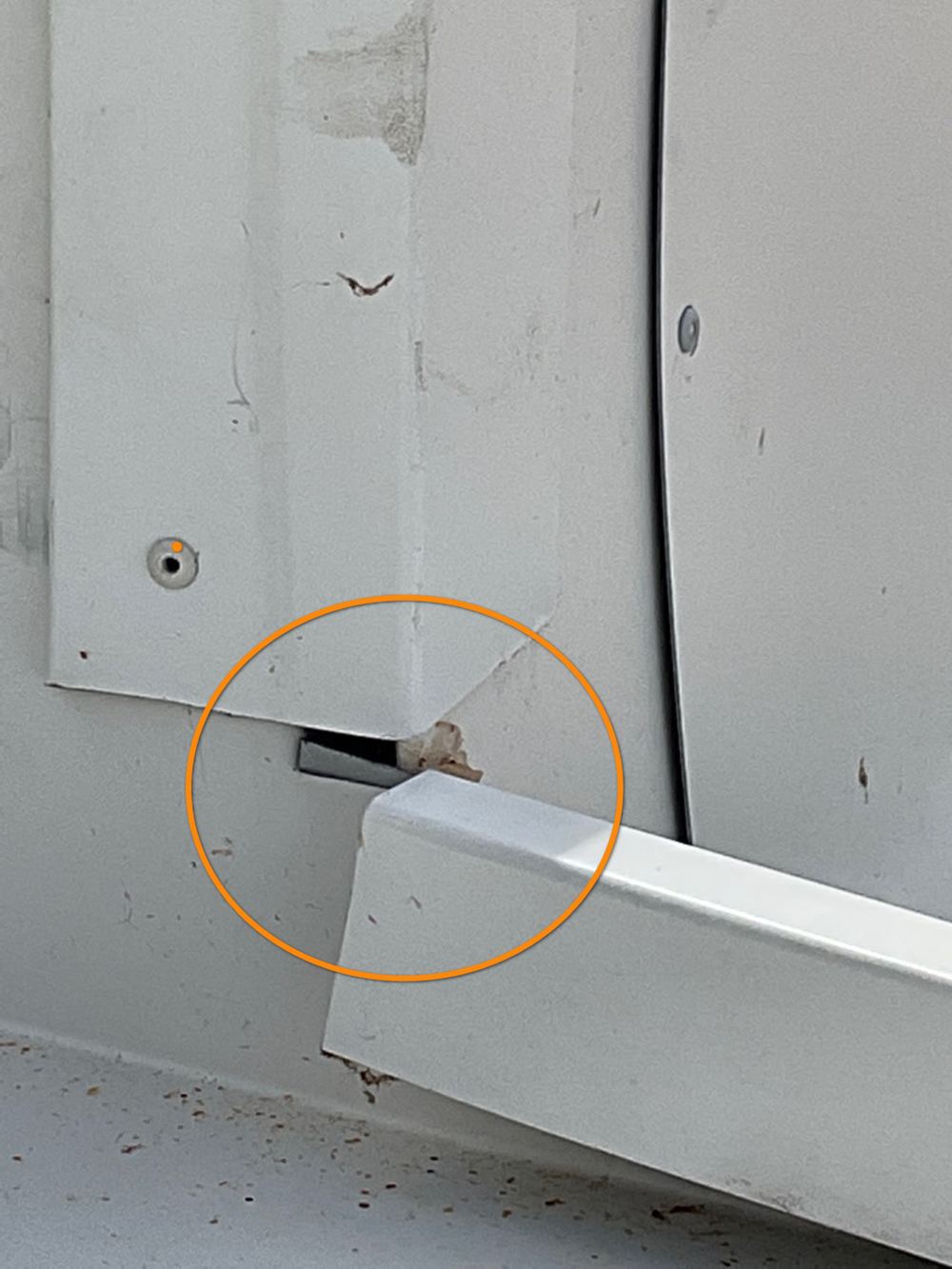 7Pre-handover (PCI)Builder has notified completion and the final claim is pending
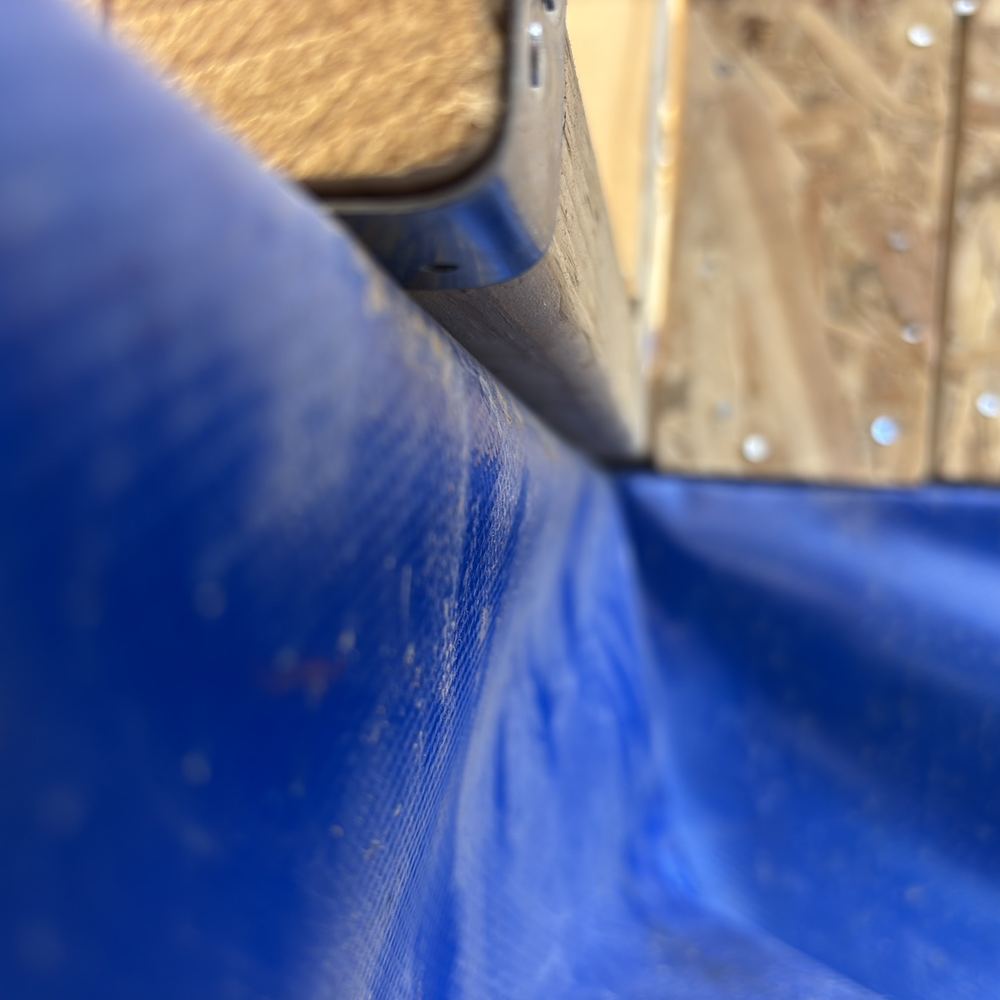
A Maddingley pre-pour inspection found the vapour barrier stopping short of edge beams and steel without enough cover. Why it matters on cold, wet ground.
Bottom plates hanging off the slab, trusses without tie-down grips and roof load sitting on a non-loadbearing wall, from a Maddingley frame inspection.
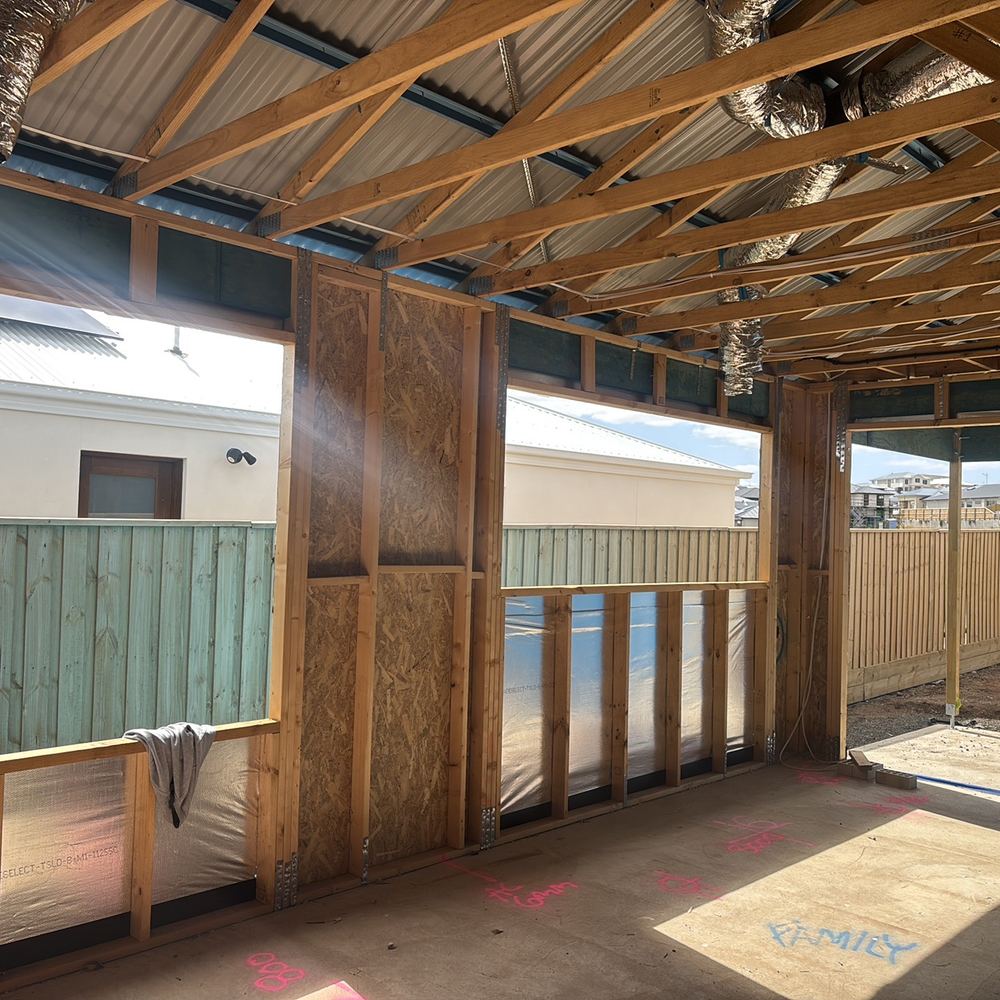
Lock-up is the last look inside the walls. A Maddingley inspection found insulation not yet in, wall wrap missing and bracing cut. Why that matters in a cold climate home.
Instant online pricing, or talk to the booking team on 1300 471 805.
The engineer's footing plan and pier schedule for your lot. We compare positions, diameters and, where a hole can be measured, its depth and the condition of its base.
Concrete poured onto loose spoil bears on that spoil instead of on firm ground. The pier can then settle as the soft layer compresses, which is exactly what the pier was meant to prevent.
We describe what is visible and whether it looks like the material the soil report anticipated. Confirming the founding layer formally is the geotechnical engineer's call.
No. The surveyor's mandatory inspection is a compliance step. Ours gives you an itemised, photographed record that you can hand straight to the builder.
By the number of holes and how far the site is from us. Request a quote online and the figure for your job comes back before you book.
The builder cleans it out, drills deeper or adjusts the cage, then the engineer confirms the fix where needed. All of that is simple while the hole is still open.