Flashings and seals at handover on a new home west of Melbourne
Unsealed flashings, broken sealant and gaps in external walls from a Bacchus Marsh handover, and what Ballarat owners in Lucas or Alfredton should look for before the final payment.




In short: Water entry at handover usually starts at a junction: where a flashing meets cladding, where a pipe goes through a wall, where two materials join.
Why junctions fail first
Walls and roofs rarely leak through the middle of a sheet or a brick. They leak where one material stops and another starts. That is where a flashing, a sealant bead or a collar is meant to do the work.
A Bacchus Marsh example
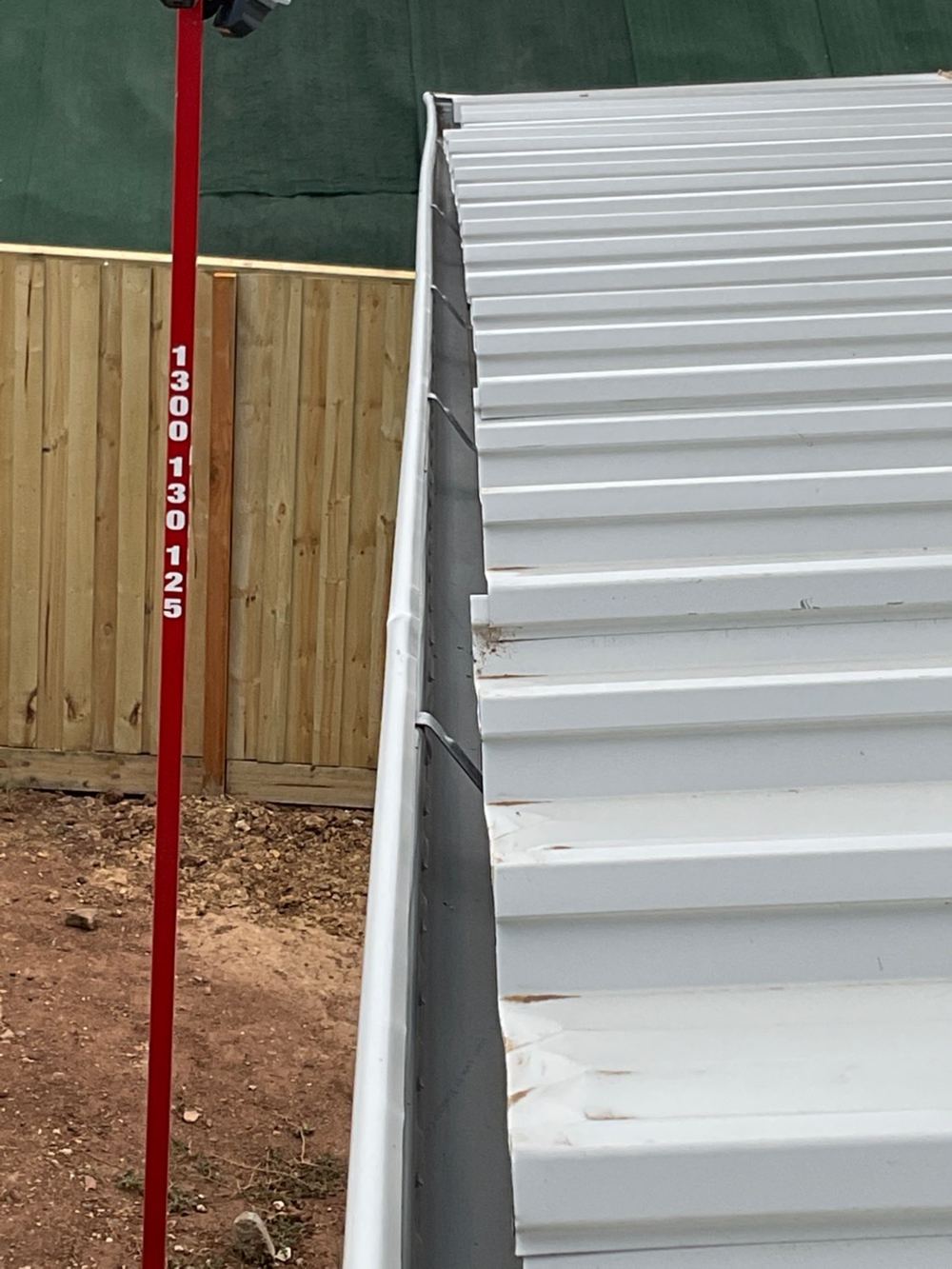
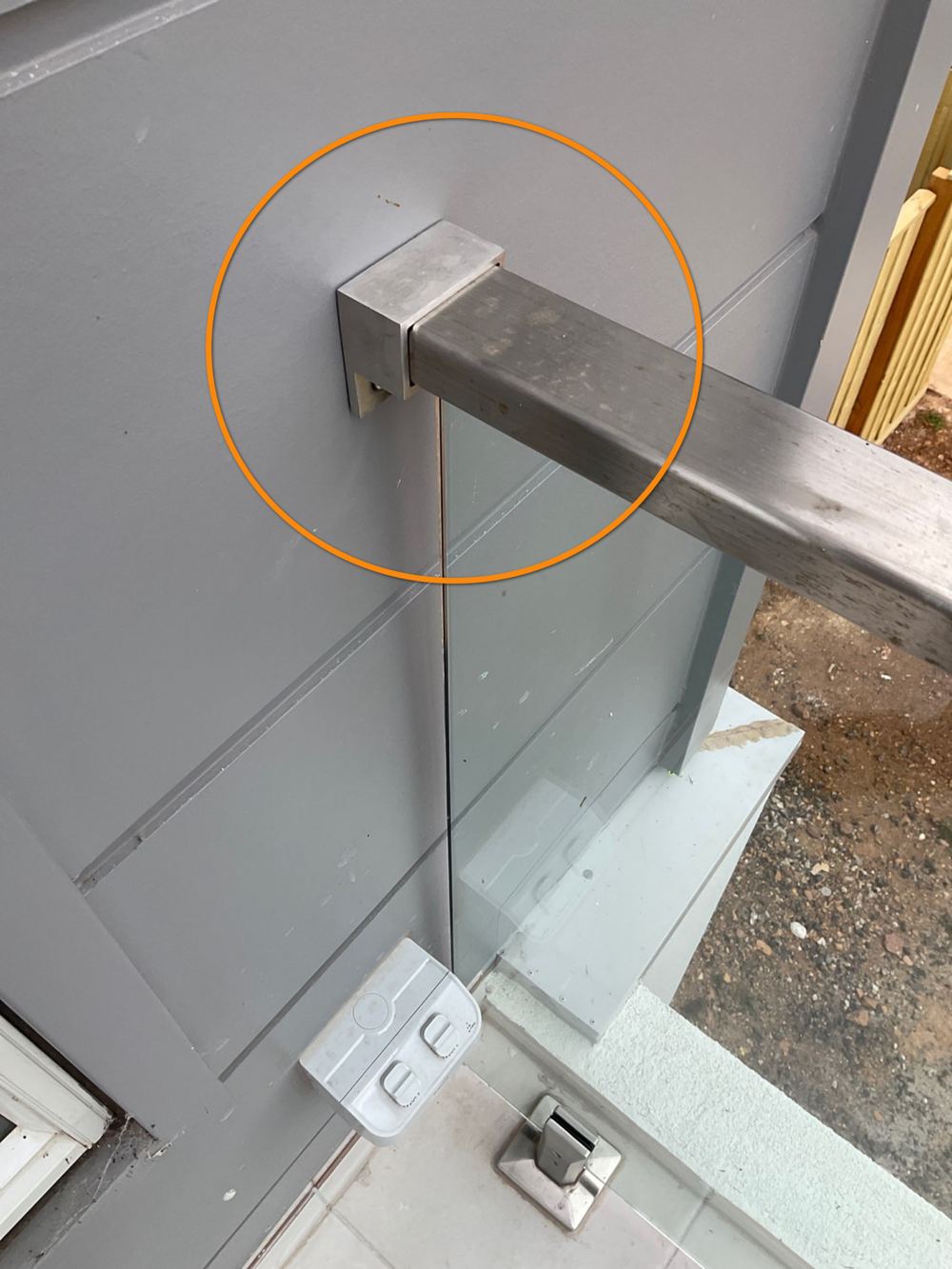
On a pre-handover inspection in Bacchus Marsh in October 2024 we recorded flashings against wall cladding left unsealed, others needing resealing, gaps in external walls and roof penetrations without proper flashing. The house looked finished from the street.
Relevance for Ballarat estates
New homes going up in Lucas, Alfredton, Delacombe and Winter Valley face more rain days and colder winters than much of Melbourne. A gap that stays dry in a Melbourne summer may take water every week of a Ballarat winter.
What a handover inspection covers
We check the house against the contract, the NCC and the Guide to Standards and Tolerances 2015. Doors, windows and fixtures are operated by hand. Flashings, sealants and roof items are viewed from safe positions.
Making it count
Book before practical completion is signed off, send the report to the builder, and ask for the items to be fixed before you pay the final claim. A reinspection then confirms what was done.
What it does not include
Electrical and gas testing, commissioning of appliances and occupancy certification are outside the inspection. The occupancy permit comes from your building surveyor.
Written by our local inspection team from work carried out in Ballarat. Licensed building practitioners, Building & Plumbing Commission registration CDB-U 53425.